Watching tree leaves change color is one of the best parts of the year. A lot of people look forward to seeing autumn leaves because the colors are so nice. But if you notice leaves falling from your tree much earlier than usual, it can make you feel worried. Early leaf drop might make you wonder if your tree is healthy. This does not always mean your tree is dying, but it can show that the tree is having some stress. Knowing why leaf drop happens can help you do the right things to help your tree.
Common Reasons for Leaves Falling Off Trees
So, why do leaves fall from your tree? The reasons usually fall into two main groups: natural cycles and things happening around the tree. When it comes to deciduous trees, leaf drop is part of what they do every year. Dropping leaves is a trait from their genes that helps them get through winter. These trees are made to let go of their leaves when the seasons change.
Leaf drop often happens during certain times in the year. But if your tree starts losing leaves at a different time than usual, there could be something else going on. Some reasons could be not enough water, poor soil, or bugs and sickness. It’s important to know if the leaf drop is normal or caused by a problem, so you can take care of your tree the right way. We will talk more about these two types of leaf drop.
Environmental Stress and Tree Health Issues
Environmental stress is one of the main reasons trees lose their leaves early. A key cause of leaf drop is when there is not enough moisture. When the weather is dry and there is too little water, or when there is too much water because drainage is poor, the tree’s roots can feel stressed. If a tree does not get the right amount of water, it will start falling leaves to save its energy and keep going.
Is it normal to see leaves falling from a tree in summer? A falling leaf in summer can be a sign of tree disease. A fungus, like anthracnose, is one of the things that often makes this happen. When a fungus attacks the leaves, you may see blotchy brown spots. A tree with anthracnose will start losing leaves too soon, and this problem gets worse when the weather is wet.
Pest infestations can also be a big health problem for trees. Insects may eat the leaves or bring in diseases. This can make the leaves weak and then they fall off. If you notice leaves that are discolored, have spots, or look chewed up falling during summer, it often means your tree is under attack from the outside. In this case, your tree might need some help to get better and stop the falling leaves.
Step-by-Step Guide to Inspecting Your Tree
A careful check can help you see how healthy your tree is. By looking at things step by step, you check for any problems in a way that does not feel like too much. This guide will show you how to look at everything, from the leaf color to the soil the tree grows in.
Each step looks at a new part of the tree. This helps you spot signs of disease or stress in your tree. With what you find, you will know more about what your tree needs. Let’s begin by checking out the leaves.
Step 1: Examine Leaf Color and Patterns
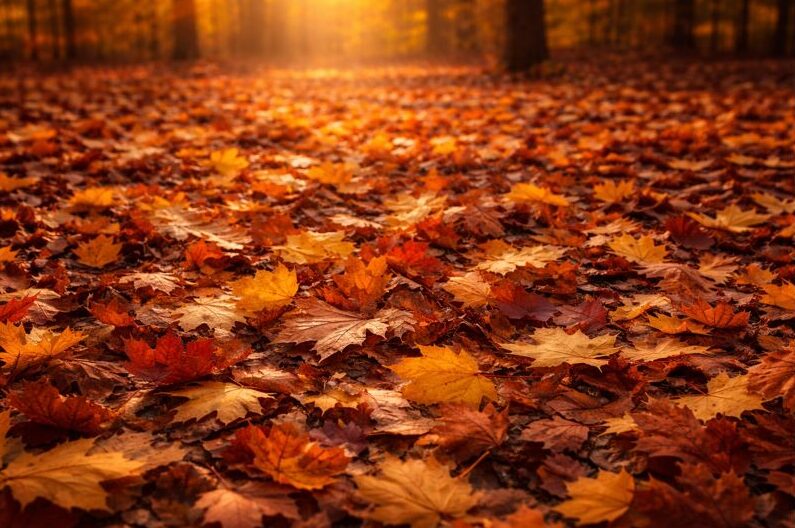
The color of leaves on a tree can show you many things. During the growing season, leaves stay green if the tree is doing well. This is because of something called chlorophyll. Chlorophyll helps with photosynthesis. A healthy tree will have this strong green color.
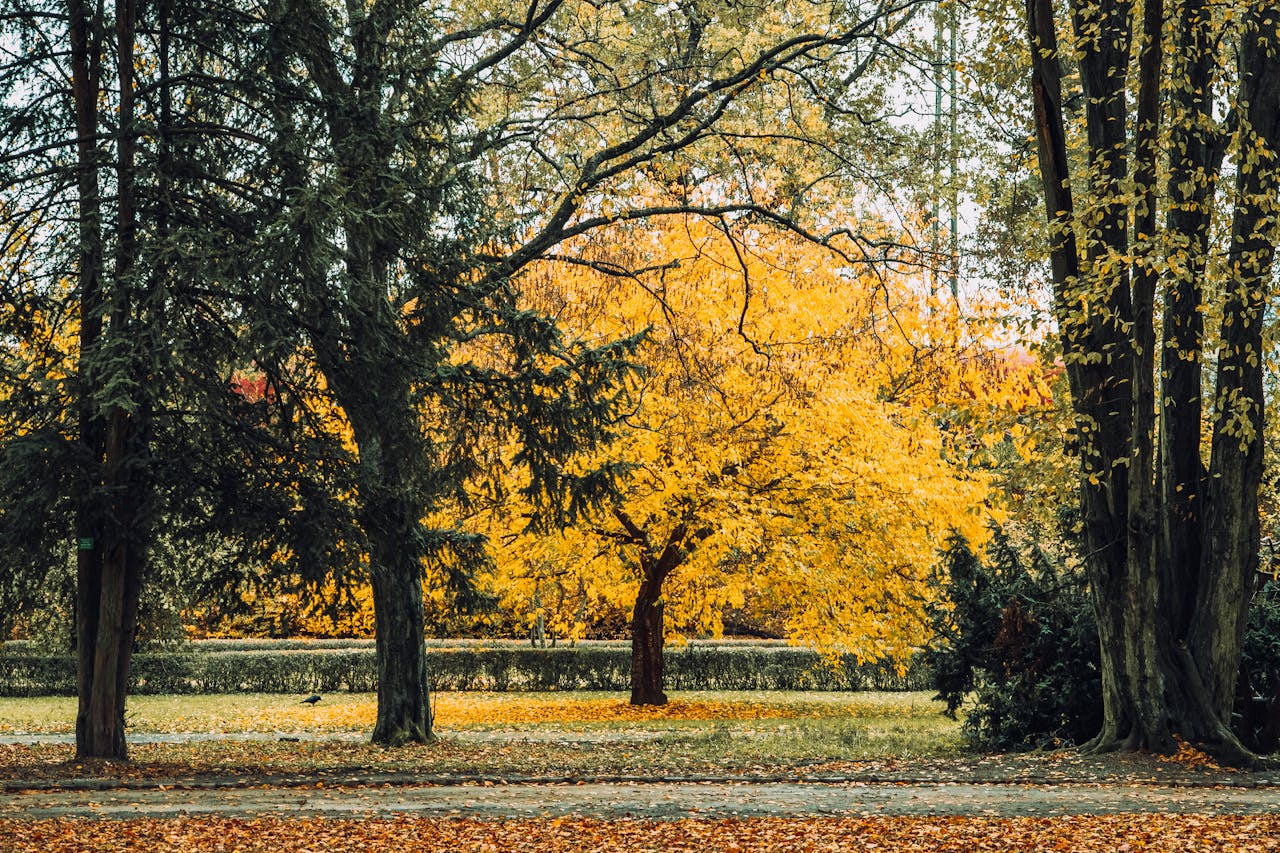
The color change in leaves is linked to them falling. During fall, the tree gets ready to lose its leaves. It stops making chlorophyll. When this happens, other pigments show up. Carotenoids give leaves their yellow and orange colors. Anthocyanins, which come from sugars trapped in the leaf, make reds and purples. This color display happens as part of the leaf-dropping process.
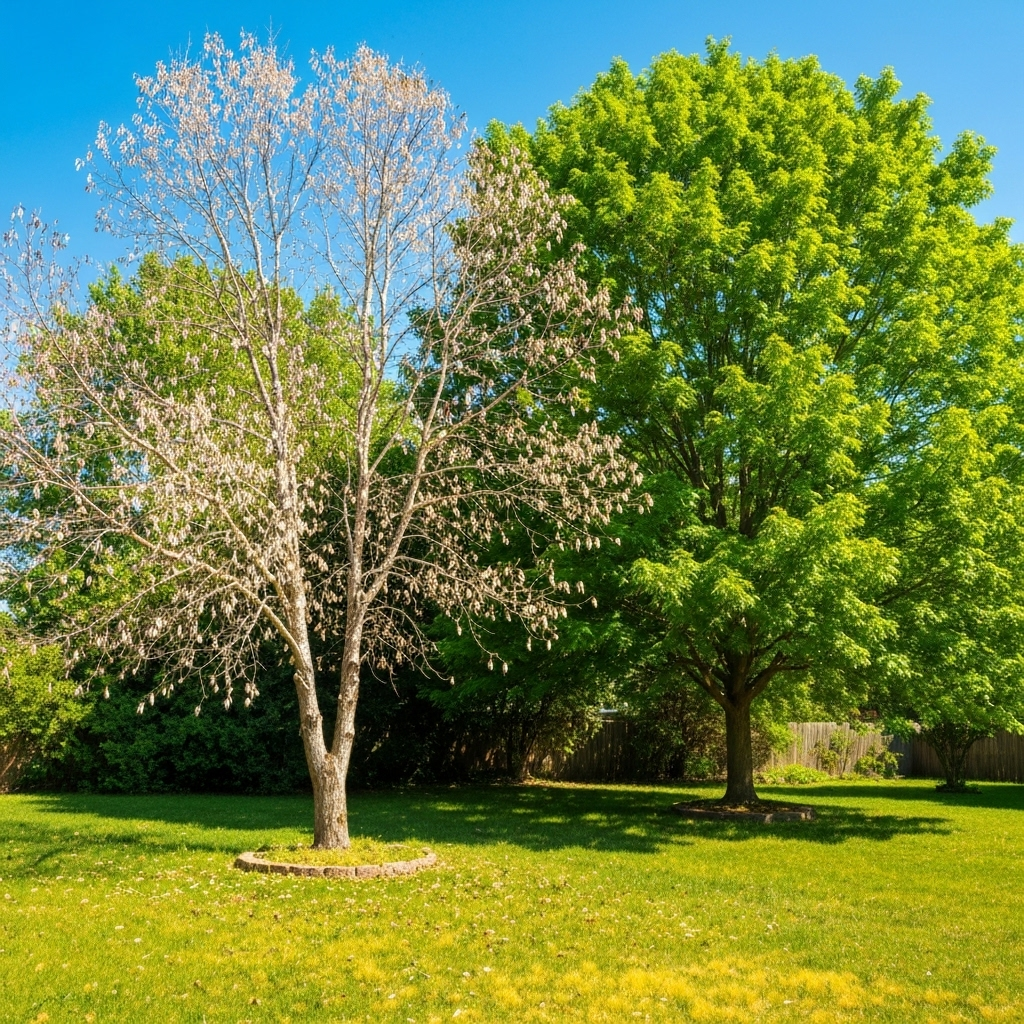
However, if you notice that leaves turn yellow, brown, or black during the middle of summer, that is not a normal color change for this time. This can be a sign that your plant does not get enough nutrients, too much or too little water, or it may have a disease. Take a look at the leaves. See if the different colors are spread out everywhere, just on some spots, or follow the lines on the leaf. These signs help you know what is causing the problem.
Step 2: Check for Signs of Disease or Pests
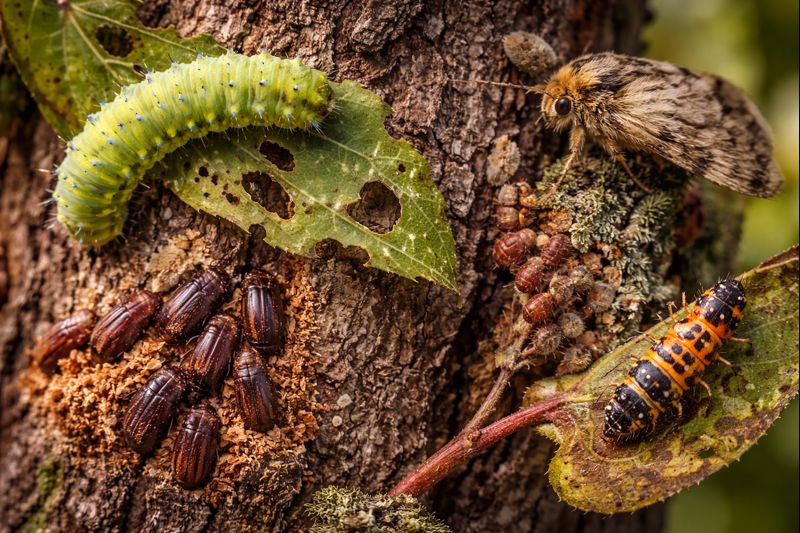
After you check the leaf color, see if there are clear signs of disease or bugs. If you notice leaves falling in summer, it can mean your tree is sick. A common reason for leaf drop at this time is fungus. Check if there are spots or blotches on the leaves. Look for powder on them, too. These are signs that something is wrong.
Anthracnose is a type of fungus. It grows well when the weather is cool and wet. This fungus makes brown spots or uneven patches on leaves. Leaves with anthracnose may curl, show spots, or look burnt before falling off. A disease is likely the reason for this. You should rake up and throw away leaves that have this fungus. This can keep anthracnose from spreading to other leaves.
Pests can do a lot of harm to trees. You need to look at the leaves and see if there are holes, chewed sides, or sticky stuff on them. Some pests, called petiole borers, go after the small stem, known as the petiole, that links the leaf to the branch. When this happens, the leaf may drop off. A few pests may not cause much trouble, but if there are a lot, they can make the tree weak. In that case, you need to do something about it.
Step 3: Inspect the Branches and Trunk
The branches and trunk tell us a lot about the health of a tree. Healthy branches are bendable and show new growth, like buds. If branches break easily, have no leaves in the growing season, or the bark comes off, they are likely dead. Tree Pruning can help by cutting away these dead parts and stopping the decay from moving to other parts of the tree.
If you want to know if your tree is just stressed or if it is dying, start by looking at the trunk. Deep cracks, big wounds that are not getting better, or spots where the bark is missing might mean the damage can not be fixed. Fungus, including mushrooms growing on the trunk or at the bottom, often shows that there is rot inside. This is a big problem for the tree.
A tree with a few dead branches might feel some stress. But if you see many branches dying or there is big damage to the trunk, this means the tree is not doing well. The trunk helps keep the tree alive, so big problems there can be serious.
Step 4: Evaluate Soil and Water Conditions
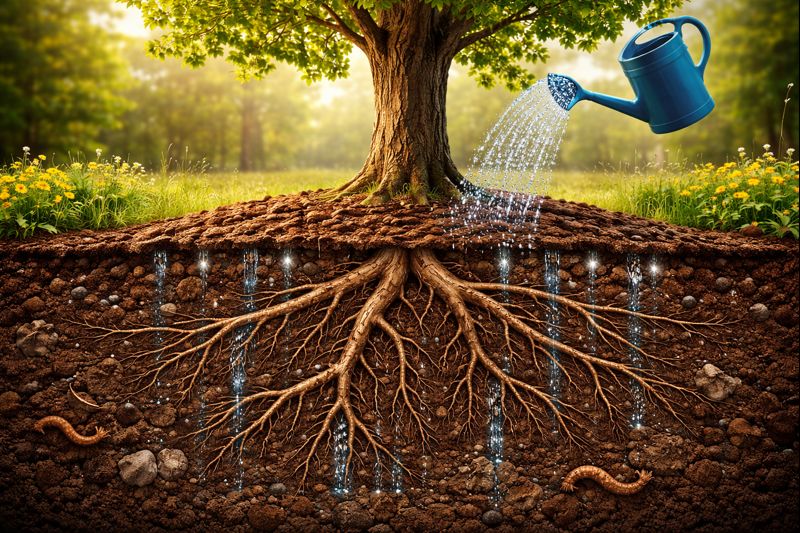
A tree needs healthy roots to grow well. You have to check the soil and see how much water is in it. If leaves fall from trees before they should, the problem can often be found in the ground. If there is very dry weather or too much wet weather, the tree gets stressed. You can use a small shovel or your fingers to feel the soil a few inches under the surface and see if it has enough moisture.
The soil needs to be wet, but it should not have too much water. If the soil is very dry, the tree is not getting enough water. You may see the leaves coming off because it wants to save water. If the soil is very wet, roots could feel trapped and may even start to rot. Good stormwater management and letting water drain away is important to stop these problems.
Applying mulch around the base of the tree helps keep moisture in the soil. It also helps to even out how warm the soil gets. Make sure the mulch does not touch the tree’s trunk. Doing this protects the roots from bad weather.
It’s best to water near the tree’s drip line, which is the area under the edge of the leaves. Deep watering here is better than giving shallow water at the trunk. This way, the tree gets more moisture where it needs it most.
Creative Uses for Fallen Leaves at Home
When the leaves fall and cover your lawn, what should you do with all the piles? Don’t just throw them away in bags. Fallen leaves can be a good and useful resource. You can use them in new and helpful ways, both in your garden and in your home.
There are many ways to use your fallen leaves. These leaves help your soil, and you can make fun, seasonal decorations with them too. When you use them in your garden, add them to compost, or make crafts, you reduce waste. You also get a bit of nature in your house. Here are some easy ideas you can try with your fallen leaves.
Gardening and Composting with Leaves
Yes, you can use fallen leaves in the garden or for compost. The leaves add nutrients and organic matter to the soil. You can also turn the leaves into mulch. Put a layer of shredded leaves on top of your garden beds. This helps keep moisture in the soil and stops weeds from growing. The mulch also keeps plant roots safe from heat or cold.
Leaves play a big part in making a compost pile healthy. They hold a lot of carbon. This carbon helps balance the nitrogen in things like grass clippings and food scraps. When the leaves go through the decomposition process, they turn into humus. This dark, crumbly material is good for the soil. It helps the soil keep its shape and gives it more fertility.
To get started, use a rake to gather the leaves into a pile or put them in a compost bin. If you run a lawn mower over the leaves first, it will break them up and help the decomposition process go faster. Be careful with leaves that fall from trees known to have fungus. The fungus may not die during composting and could spread in your garden. You can read more about fungal diseases.
Crafting and Decorating Ideas with Fallen Leaves

There are many fun ways to use autumn leaves in crafts and decorations. You can pick some autumn leaves and bring the feel of the season into your home. The bright colors and the shapes of autumn leaves are great to work with. A few ideas for you are:
- Make a leaf garland to hang on the wall or across your door.
- Put autumn leaves between sheets of wax paper. Then iron them to make a simple, see-through decoration.
- Glue leaves to picture frames, candle holders, or jars to make these items feel more like autumn.
- Use autumn leaves to make leaf prints with paint on paper or fabric.
- Fill a clear vase or bowl with colorful autumn leaves to use as a centerpiece.
- Place autumn leaves onto cards and write messages for family or friends.
With autumn and the beauty of autumn leaves, there is no limit to what you can do. A little time and some supplies will help you bring a bit of the outdoors inside and fill your space with good seasonal feeling.
Before you start with your crafts, it’s best to save the fallen leaves. You can put them between the pages of a heavy book. You could also iron them between two sheets of wax paper. This will help the leaves keep their color. It also stops them from turning dry or breaking. Once you do this, you will see there are many things you can make with them.
Here are a few fun ideas to try:
- You can make a fall wreath by gluing some preserved leaves onto a grapevine or a foam base.
- Try making leaf rubbings by putting a leaf under a piece of paper. Rub over the top with a crayon to see the leaf shape show up.
- Make a centerpiece for your table with colorful leaves, some pinecones, and a few small gourds. It will look great for the season.
- Use leaves as stencils when you do painting projects. You can also use them as an illustration in your nature journal.
When to Seek Professional Help for a Dying Tree
While you can fix most tree problems with simple care, there are times when you need an expert. If you find many issues during your checkup, or you do not know how bad the problem is, it is best to ask for help from a professional. An arborist is trained and knows how to spot and fix tough tree health problems the right way.
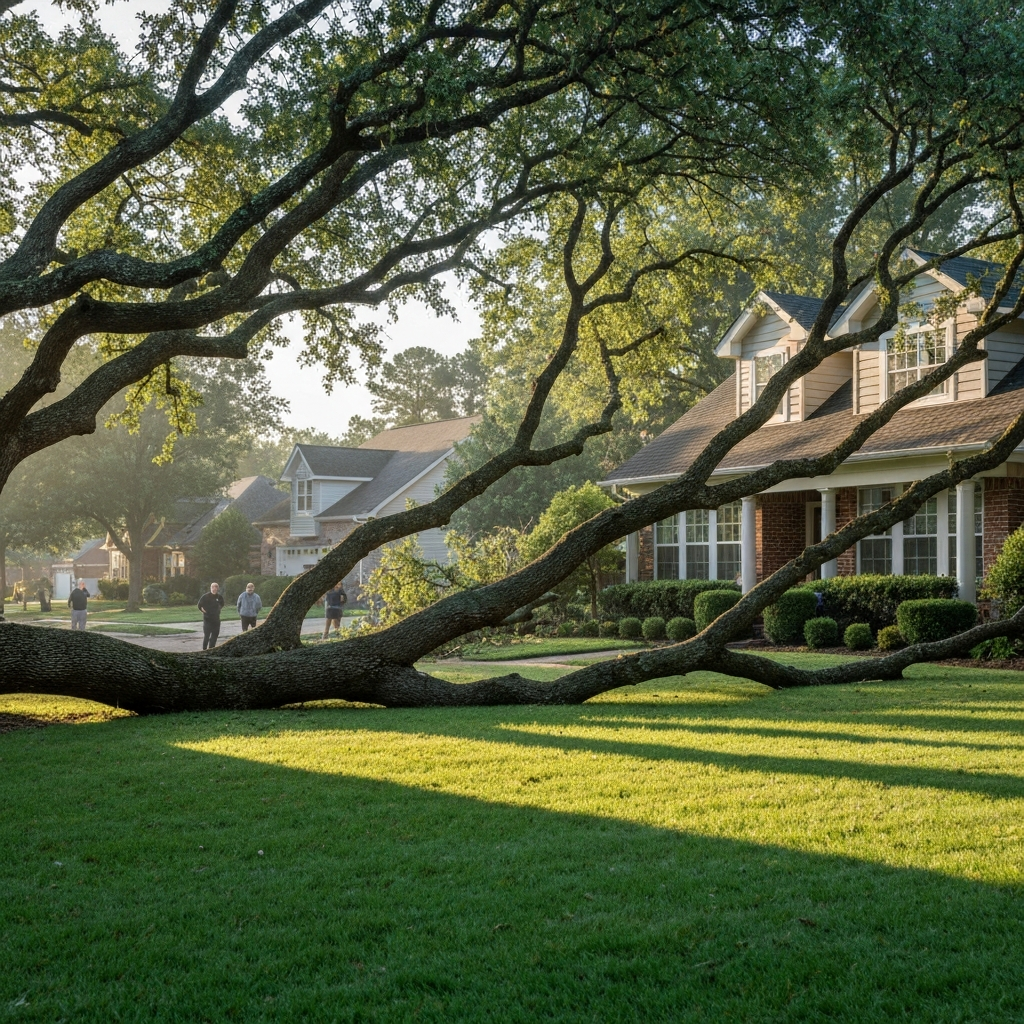
If you ignore serious symptoms, the tree may become dangerous. This is a bigger problem when there are storms. A professional will know what treatments can help. They can do residential trimming in a safe way. Sometimes, they may say that removing the tree is the best option. It is important to know when to call for help. This can keep your property and other healthy plants safe.
Recognizing Irreversible Damage
It’s not always easy to know if your tree is just stressed or if it’s dying for good. That line can be hard to see. Still, there are some things you can look for that tell you it might not get better. If you see that over half of the tree is hurt or already dead, it will likely not survive for long. A big sign is when lots of branches start dying back. This shows the tree is in trouble.
Look for big wounds or deep cracks on the tree’s trunk. These can show the inside wood. If you see mushrooms or fungus on the trunk or main roots, it can mean there is serious decay inside. A tree that starts to lean or has soil lifting near its base may have weak roots. This makes the tree unsafe, especially before winter storms.
When a tree is stressed, it may lose its leaves early. Still, the branches on it usually bend and the buds look healthy. A tree that is dying shows several more serious signs at one time. Most of the time, the damage on it is too much to fix. A tree like this can also be dangerous to people and things around it.
How TreesRx Can Help Manage Fallen Trees
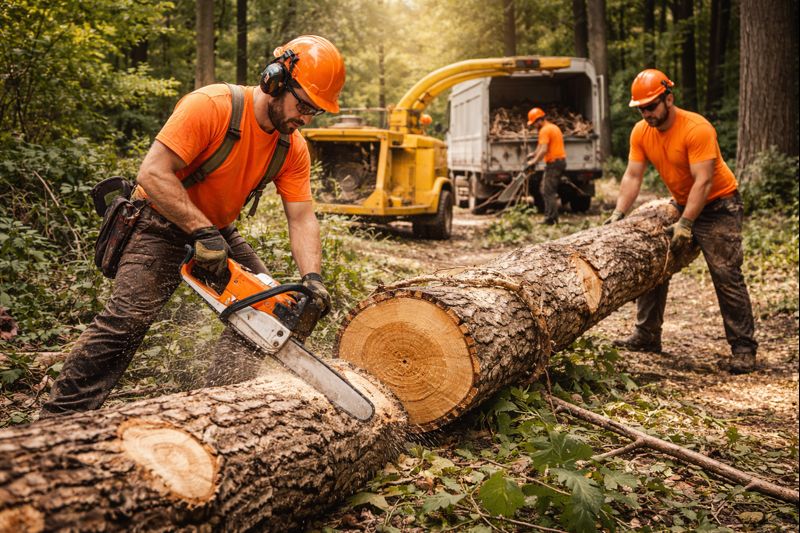
If you see that your tree is dead or a big risk, you need to do something soon. A large, fallen, or dead tree can be hard to deal with. You should not try to fix it by yourself. A professional arborist and a tree service company know how to handle this work safely. They can get the job done the right way and make sure everyone is safe.
When a tree is cut down, there is still a mess to deal with. A team of professionals can take care of the whole thing, from taking down the tree to cleaning up all the leftover pieces. They have the right tools to move big logs and branches. This means your place will be clean and safe after they finish. They also do stump grinding and deal with any wood that is left over.
If you have a dead tree that has fallen or needs to be taken away, TreesRx can help you clean up. The team can handle big jobs, including getting rid of trees and other debris. They make sure your fallen tree is removed the right way. When you use a professional service like TreesRx, you feel calm because you know it will be safe. Your yard will look good again.
Conclusion
To sum up, it is important to know why leaves fall from trees for the health of your yard. Leaf drop might happen because of the time of year or it could mean there is stress on the tree from the environment. When you know why this is happening, you can do more to help your trees. Keep checking on them and take care of any problems you see. This helps your trees grow well in every season. If you think your tree is dying and you need help, you should reach out to TreesRx. With their skills, they can take care of fallen trees and help bring your green space back. Act now so your trees stay healthy in the days ahead.