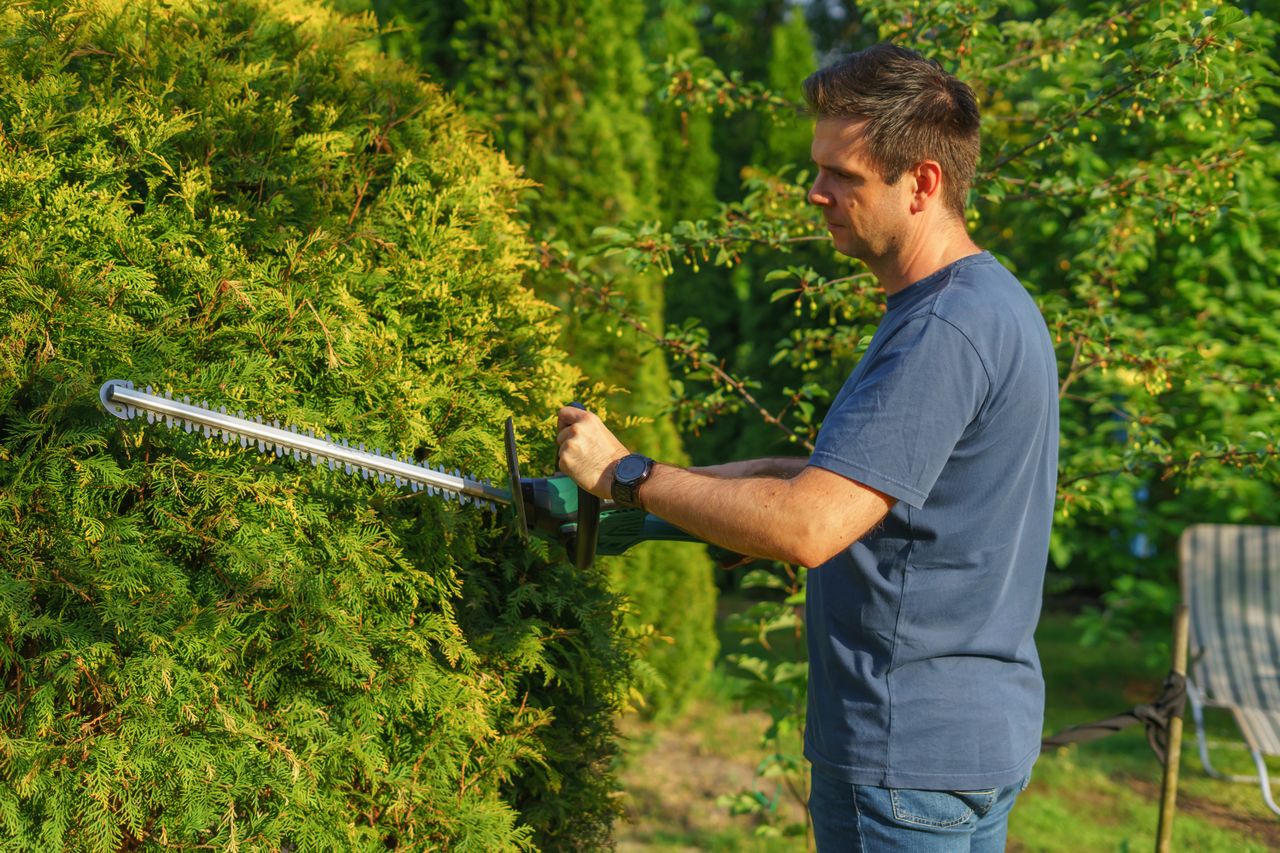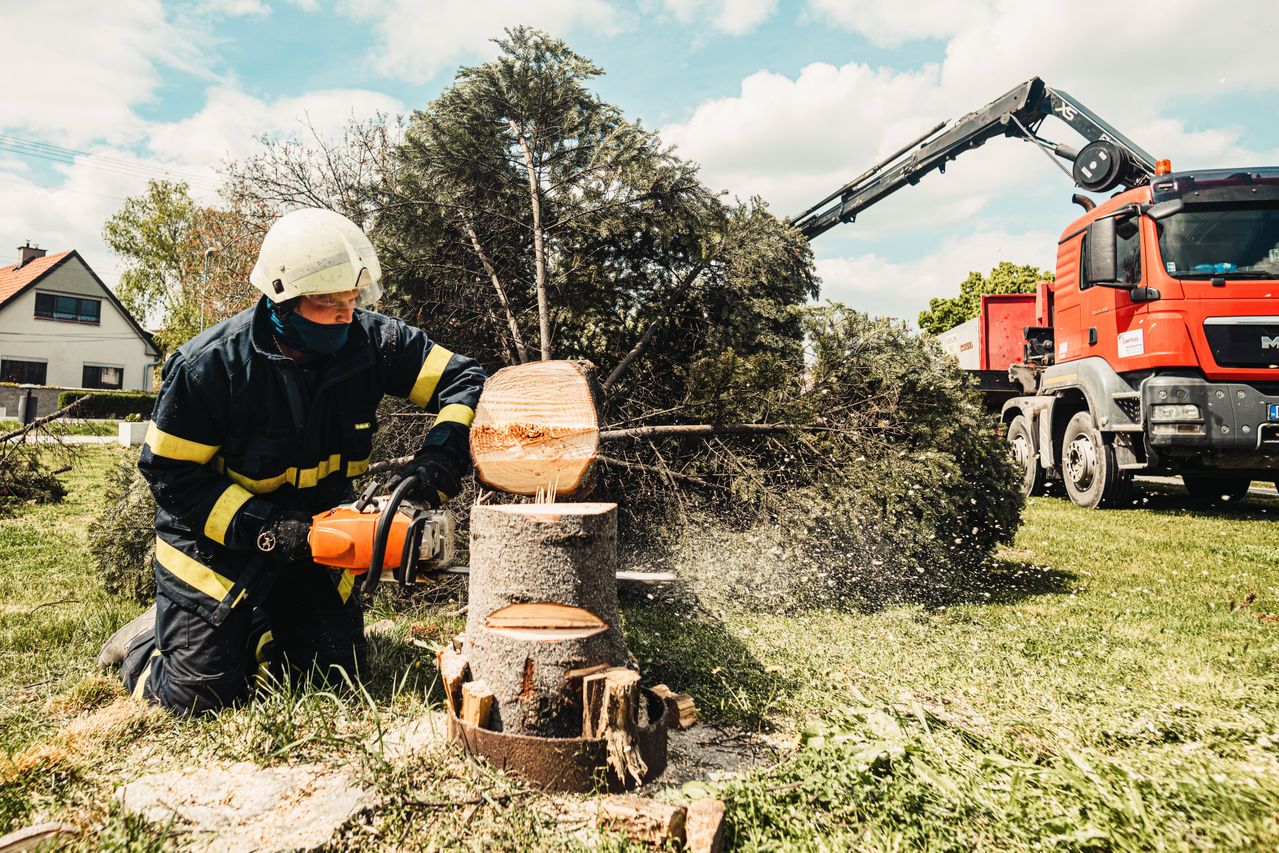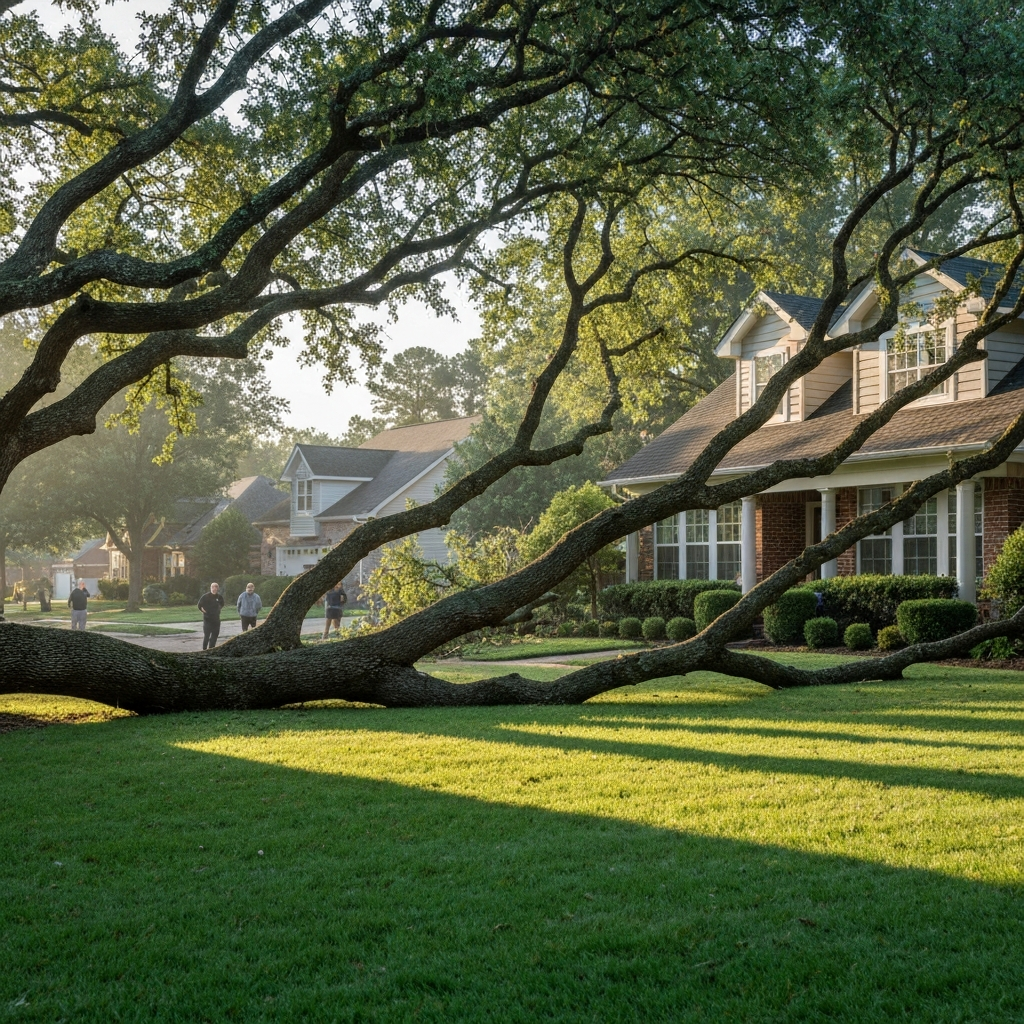
Planting the right trees around your home is a great way to improve curb appeal, increase property value, and create a healthier outdoor space. Well-placed trees provide shade, improve energy efficiency, and add lasting beauty, but choosing the wrong species can lead to root damage, overgrown branches, and costly repairs. Selecting trees with appropriate growth habits helps protect your home while ensuring long-term health and safety. If you already have overgrown, damaged, or hazardous trees, professional tree service, tree trimming, and tree removal can help maintain a safe, attractive landscape and keep your property looking its best year-round.
Understanding Tree Selection for Homes in the Florida
Choosing a tree for your yard is an exciting part of landscaping. To make the best choice, you need to consider a few important factors. Think about the aesthetic appeal you want, but also consider practical elements like your local climate zones and soil conditions.
Not every tree species will thrive in your specific location. Matching the tree to your environment is essential for its survival and growth. This guide will help you understand how to select the perfect tree that is both beautiful and safe for your property.
Why Tree Placement Matters for Safety and Curb Appeal
The location where you plant a tree is just as important as the type of tree you choose. Proper placement significantly boosts your home’s curb appeal, making a great first impression. A well-placed tree can frame your house beautifully and increase its value.
However, poor placement can lead to serious issues. A tree planted too close to your home can cause root damage to the house foundation. Its branches could grow into power lines, creating a safety hazard. Over time, what was meant to be a beautiful addition can become a source of expensive property damage.
To avoid these problems, think about the tree’s mature size. Ensure there is enough space for it to grow without interfering with your home, sidewalks, or underground utilities. This careful planning allows you to enjoy the beauty of your tree without any of the risks.
Common Problems from Poor Tree Choices Near Houses
Selecting the wrong tree can lead to a host of expensive and stressful problems. Many homeowners don’t realize the potential for damage until it’s too late. Trees with aggressive root systems are a primary cause for concern, as they can create significant structural risks.
These invasive roots are naturally drawn to sources of water and can travel far from the tree. As they grow, they can exert immense pressure on anything in their path. This can lead to cracked foundations, damaged sidewalks, and broken sewer lines.
Some common issues caused by poor tree choices include:
- Cracks in your home’s foundation from pressure.
- Damage to underground pipes and sewer lines.
- Uplifted and cracked driveways or patios.
- Blocked sunlight and views from overgrown canopies.
What to Consider Before Planting Trees Near Your House
Before you start digging, it’s vital to plan carefully. Think about the tree’s future. You need to consider its root system and mature height to avoid problems down the road. A small sapling can grow into a massive tree that might become a hazard if planted in the wrong spot.
Also, take a look at your property’s specific conditions. What is your soil type like? Are there any underground utilities, like water or gas lines, that could be affected? Answering these questions first will help you choose the right tree and the right place to plant it.
Assessing Space and Sunlight Around Your Property
The first step in choosing a tree is to look at your yard. How much available space do you have? A tree needs room to grow both upwards and outwards. Planting a large tree in a small area can lead to property damage and an overgrown, crowded look.
Sunlight is another critical factor. Observe your yard throughout the day to see which areas get full sun, partial shade, or full shade. Different trees have different sunlight needs. Shade trees, for example, need plenty of sun to grow large enough to provide cooling relief.
Before you make a final decision, consider these points:
- Mature Spread: Check the tree’s tag for its mature width to ensure it won’t crowd buildings or other plants.
- Sunlight Needs: Match the tree to a spot that provides the right amount of daily sunlight.
- Overhead Space: Make sure there are no power lines or other obstructions where the tree will grow.
Climate Zones and Choosing the Right Species
Your geographical region plays a huge role in what trees will thrive in your yard. Trees that flourish in one part of the country might struggle in another due to different climate zones. Understanding your local climate and soil conditions is essential for picking a successful tree species.
Each tree species is adapted to a specific range of temperatures, rainfall, and soil types. Planting a tree that isn’t suited for your region can lead to poor growth, disease, and a short lifespan. For example, a tree that needs a tropical climate will not survive a cold northern winter.
To help you choose, here is a general guide to tree species suitable for different hardiness zones. Keep in mind that local conditions can vary, so it’s always a good idea to consult a local expert.
Tree Species | Best Suited Climate Zones (USDA) | Key Features |
Crepe Myrtle | 7-10 | Showy summer flowers, colorful bark |
Eastern Redbud | 5-9 | Early spring pink blooms, heart-shaped leaves |
Amur Maple | 3-8 | Stunning fall foliage, tolerant of cold |
Allegheny Serviceberry | 4-9 | White spring flowers, edible berries |
Mexican Fan Palm | 9-11 | Slender trunk, fan-shaped leaves, best for warm areas |
Leopard Tree | 10-12 | Mottled bark, yellow flowers, ideal for tropical climates |
Essential Equipment and Resources for Tree Planting Beginners
Getting ready to plant a new tree doesn’t require a lot of fancy equipment. With a few basic tools, you can ensure your tree gets a great start. Proper preparation and the right gear will make the process smoother and contribute to the healthy growth of your tree.
Beyond just tools, knowing where to find healthy saplings and understanding resources like root barriers can make a big difference. These elements contribute to the long-term ease of maintenance and success of your tree care efforts, helping you avoid future headaches.
Basic Tools Needed for Safe Tree Planting
When you’re ready to plant, having the right tools on hand will make the job much easier and safer. You don’t need a professional-grade toolkit, but a few key items are essential for giving your tree the best chance at healthy growth.
The most important tool is a good shovel or spade for digging the hole. The hole should be wide enough to accommodate the tree’s root system without cramping it. You’ll also want a pair of gardening gloves to protect your hands and a wheelbarrow to move soil and mulch.
Here are the basic tools you’ll need:
- A sturdy shovel or spade to dig a proper hole.
- Gardening gloves for hand protection.
- A wheelbarrow or tarp for managing soil. A tape measure is also helpful to ensure you’re planting the tree at the correct depth and distance from structures.
Where to Source Healthy Tree Saplings
The quality of your tree sapling is a major factor in its future success. A healthy sapling will establish itself more quickly and be more resilient to stress. But where do you find the best ones? Local nurseries are an excellent place to start.
Staff at a local nursery can offer expert advice on which tree species are best suited for your area. They grow their stock in similar conditions to your own yard, so the tree saplings are already adapted to the local climate. Look for trees with strong, straight trunks, healthy-looking leaves, and a well-developed root system that isn’t circling the pot.
Avoid buying trees from big-box stores if they look stressed, wilted, or have damaged bark. While the price might be tempting, a weak sapling may struggle to survive, costing you more time and money in the long run. Investing in a healthy tree from a reputable source is key for healthy growth and ease of maintenance.
Step-by-Step Guide to Safely Planting Trees Near Your House
Now that you have your tree and tools, it’s time to plant. Following a few simple steps will ensure your tree is planted correctly for long-term healthy growth. The process involves more than just digging a hole; it’s about creating the right environment for the root system to thrive.
From choosing the perfect spot to setting a safe distance from your home, each step is important. Considering the tree’s mature height and providing it with proper soil preparation will set it up for a long and beautiful life in your yard.
Step 1: Choose the Best Tree Type for Your Location
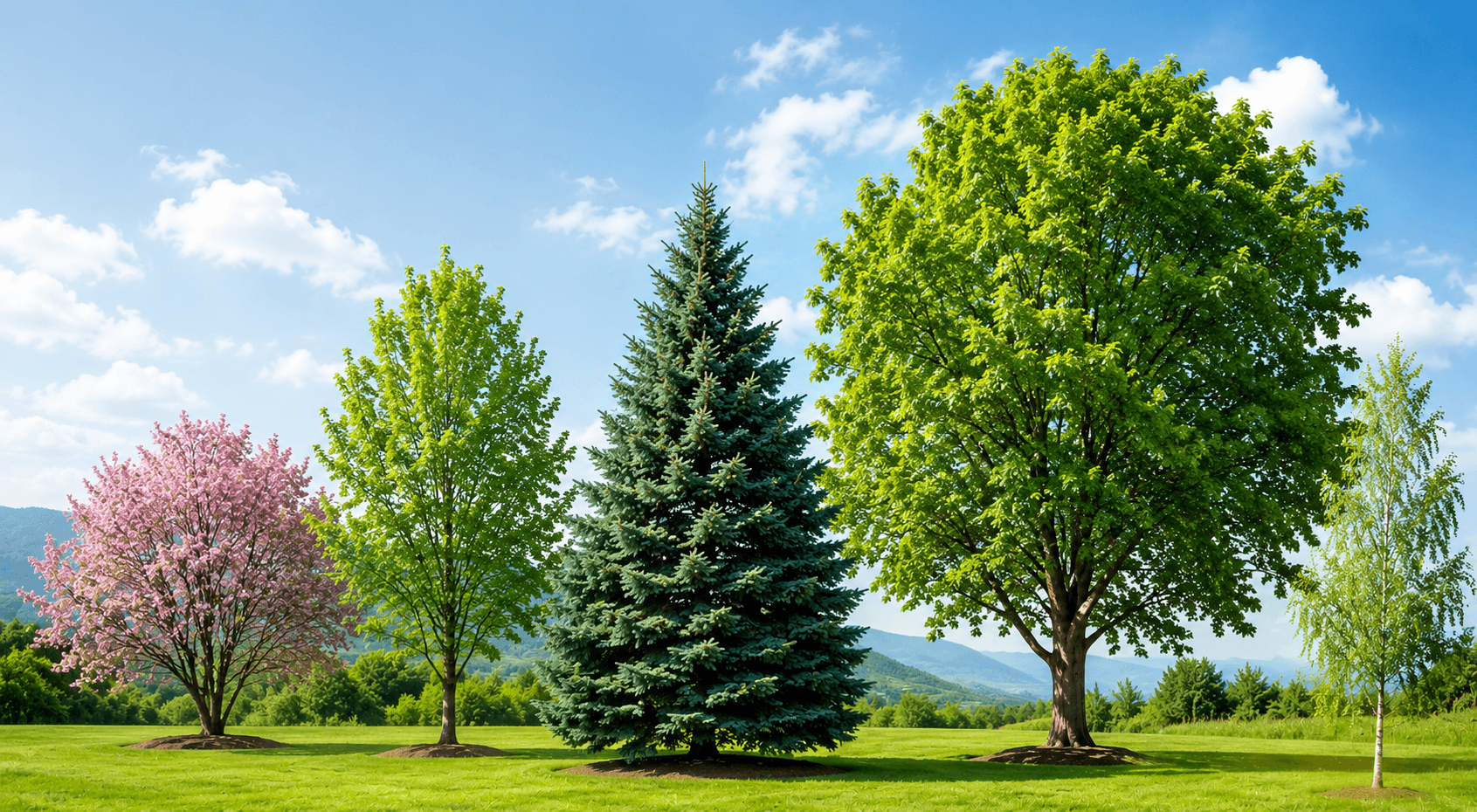
The very first step is to confirm you have one of the best trees for your specific needs. Your selection should be based on your climate zone, soil type, and the amount of space and sunlight you have available. Think about what you want from the tree—shade, flowers, or privacy?
If you are planting close to your house, small trees are almost always the safest option. Tree species like the Japanese Maple or Flowering Dogwood have non-aggressive roots and won’t grow large enough to pose a threat to your foundation.
Here are a few things to confirm about your choice:
- Is it suitable for your climate zone? Check the USDA hardiness zone rating.
- What is its mature size? Ensure it fits the space you have.
- Does it have a non-invasive root system? This is crucial for planting near structures.
Step 2: Determine Safe Planting Distance from Your House
Determining a safe planting distance is one of the most critical steps. A tree planted too close can cause serious damage to your house foundation, while one planted too far away might not provide the desired shade or aesthetic effect.
A good rule of thumb is to plant small trees, those that grow up to 30 feet tall, at least 8 to 10 feet away from your home. For medium-sized trees, increase that distance to at least 15-20 feet. Large trees should be planted 25 feet or more from any structures.
Before you dig, always call 811 to have your underground utilities marked. Accidentally hitting a water, gas, or electrical line can be dangerous and costly. This simple call will help you find a truly safe spot for your new tree’s root system to grow.
Step 3: Prepare Soil and Plant Your Tree Properly
Proper soil preparation is key for healthy growth. Start by digging a hole that is two to three times wider than the tree’s root ball but only as deep as the root ball itself. This gives the tree roots room to spread out into the surrounding soil.
If you have heavy clay soils, it’s a good idea to amend the backfill soil with some compost to improve drainage and aeration. When you place the tree in the hole, make sure the top of the root ball is level with or slightly above the ground. Backfill the hole, gently tamping down the soil to remove air pockets.
For extra protection, you can install root barriers in the ground on the side of the tree facing your house. These physical shields guide tree roots downward and away from your foundation. Once planted, give the tree a deep watering to help settle the soil.
Step 4: Maintain Your Tree for Healthy Growth
Planting the tree is just the beginning. Consistent tree care is necessary to ensure its long-term health and beauty. Your new tree needs regular attention, especially during its first few years as it establishes its root system.
Watering is the most important task. Water your tree deeply once or twice a week for the first growing season, especially during dry periods. Applying a layer of mulch around the base of the tree will help retain moisture and keep weeds away. Be sure to keep the mulch from touching the trunk.
As the tree grows, some light pruning may be needed to remove dead or crossing branches and shape the tree. Proper maintenance leads to healthy growth and makes for greater ease of maintenance in the long run, allowing you to enjoy your beautiful tree with minimal fuss.
Recommended Trees to Plant Near Houses
Choosing the right tree doesn’t have to be difficult. There are many beautiful and safe options available for planting near your home. The best trees for this purpose are typically small trees or ornamental trees that have a manageable mature height and non-aggressive roots.
These trees can add significant charm and value to your property without posing a threat. Let’s look at some top recommendations that combine beauty with safety, giving you the best of both worlds for your landscape.
Top Small, Low-Maintenance Trees for Close Proximity
If you’re looking for trees that are safe to plant near your house, small trees with shallow root systems are your best bet. These varieties offer beauty without the worry of structural damage, making them a popular choice for residential yards.
The good news is that many of these trees are also known for their ease of maintenance. They don’t require constant pruning or special care to thrive, which is perfect for busy homeowners. A great choice is the Amur Maple, known for its compact size and brilliant fall color.
Here are some excellent low-maintenance small trees to consider:
- Flowering Dogwood: Offers beautiful spring blooms and an attractive shape.
- Amur Maple: A cold-hardy tree with spectacular scarlet foliage in the fall.
- Eastern Redbud: Known for its vibrant pink flowers in early spring.
- Sweetbay Magnolia: Features fragrant white flowers and semi-evergreen leaves.
Shade and Ornamental Trees That Enhance Curb Appeal
The right tree can dramatically improve your home’s curb appeal. Ornamental trees, in particular, are chosen for their stunning features, such as vibrant blooms, interesting bark, or beautiful foliage. A Flowering Dogwood or an Ornamental Cherry can become a spectacular focal point in your front yard.
For those seeking practical benefits along with beauty, certain shade trees are suitable for planting near homes. The Allegheny Serviceberry is a great example. It provides light, dappled shade and has a multi-stem form that is interesting year-round, from its white spring flowers to its fall color.
When selecting these trees, remember to consider their mature size. While they may be safer than larger species, they still need adequate space to reach their full potential without crowding your home. Their visual impact can transform a plain yard into a lush, inviting landscape.
Fruit Trees and Their Suitability for Planting Near Homes
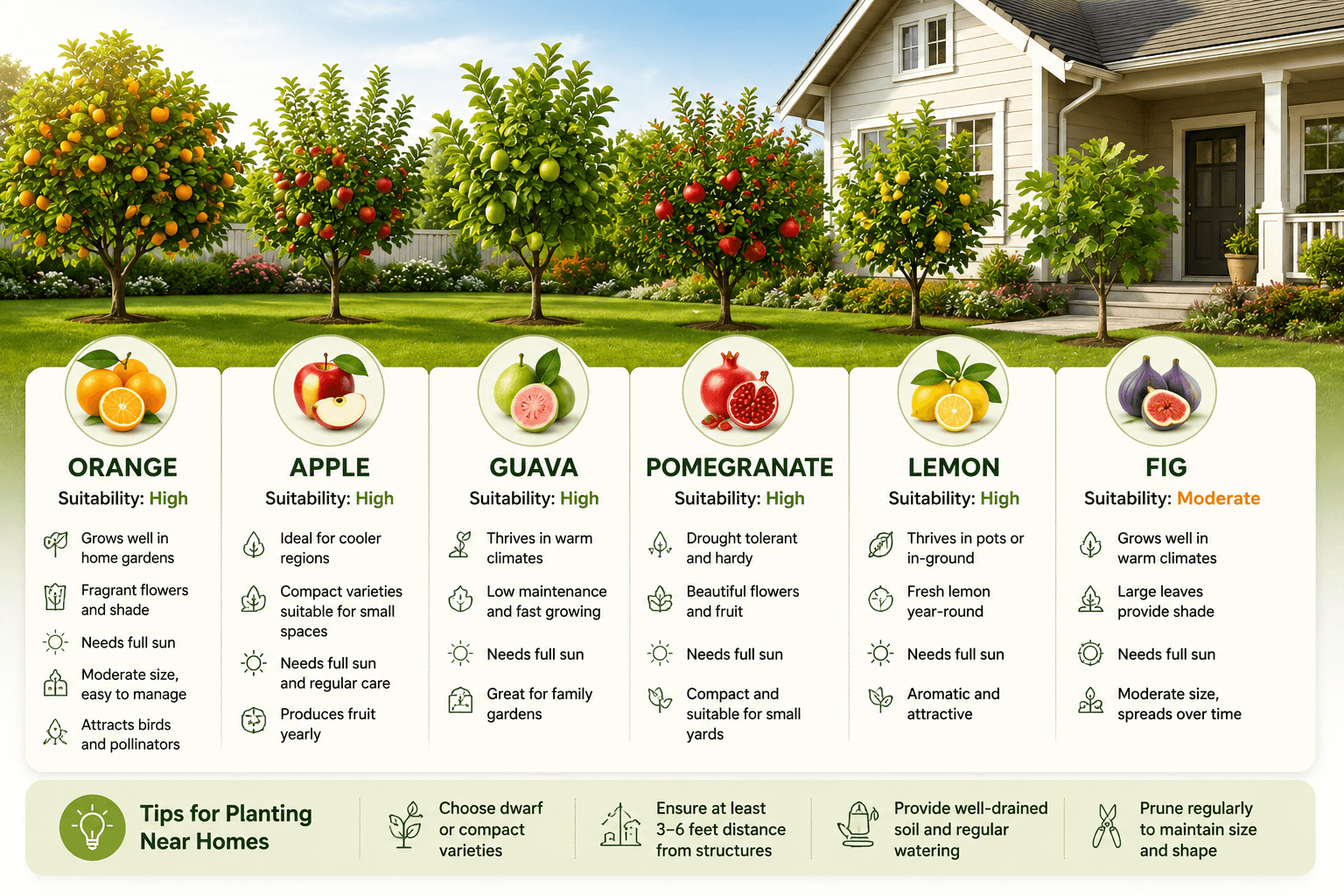
Many homeowners dream of having a fruit tree in their yard, providing both beauty and a delicious harvest. The question is, can they be planted safely near a house? The answer is yes, as long as you choose the right type and take some precautions.
Like any tree, the key is to understand its root system and mature size. Dwarf varieties are often an excellent choice for smaller yards. By maintaining a safe distance and considering tools like root barriers, you can enjoy fresh fruit without worrying about your foundation.
Safe Fruit Tree Options for Residential Yards
You can absolutely enjoy the benefits of a fruit tree, even in a residential setting. The trick is to select varieties that are well-behaved and suited for smaller spaces. Many modern fruit trees are grafted onto dwarf or semi-dwarf rootstocks, which keep them compact.
These smaller trees are perfect for small gardens and can even be grown in large containers. They have less extensive root systems compared to their full-sized counterparts, making them a safer choice for planting closer to structures. Apple trees are a popular and safe option, especially dwarf cultivars.
Here are some safe fruit tree options:
- Dwarf Apple Trees: Many varieties are available, offering a manageable size and delicious fruit.
- Dwarf Cherry Trees: Provide beautiful spring blossoms and summer fruit.
- Serviceberry: Also known as a “juneberry,” this tree offers edible fruit and is native to many parts of the US.
How to Prevent Root Issues with Fruit Trees
Even with safer dwarf varieties, it’s wise to take steps to prevent potential root damage. The most important factor is proper placement. Plant your fruit tree at a safe distance from your foundation, sidewalks, and sewer lines, following the same guidelines as for other ornamental trees.
For added peace of mind, you can install root barriers when you plant the tree. These underground panels direct roots to grow downwards instead of outwards towards your home. This is an effective way to protect your property while still enjoying the benefits of a fruit tree.
Regular care also plays a role in managing the root system. Proper watering encourages deeper root growth rather than surface-level, wandering roots. Ensuring healthy growth through good maintenance practices helps create a strong, stable, and well-behaved tree.
Trees to Avoid Planting Near Houses
Just as there are trees that are perfect for planting near a house, there are also some you should definitely avoid. The worst trees for this purpose are those with aggressive root systems or those that grow into very large trees. These species are notorious for causing property damage.
Knowing which trees to steer clear of is crucial for protecting your home’s foundation, plumbing, and sidewalks. Let’s take a look at some of the common culprits that homeowners should avoid planting in their yards.
Species Known for Aggressive Roots
Some trees have notoriously aggressive root systems that actively seek out moisture. This makes them a significant threat to underground pipes and sewer lines, which can provide a constant source of water. Their invasive roots can infiltrate and block pipes, leading to costly and messy repairs.
These aggressive root systems can also exert enough force to crack concrete foundations, driveways, and sidewalks. What starts as a beautiful tree can quickly become a destructive force. It’s essential to be aware of these species to prevent future root damage.
Trees with aggressive roots to avoid include:
- Poplar Trees: Known for their fast growth and very aggressive, water-seeking roots.
- Willows: Their roots are drawn to water and can cause major problems for plumbing.
- American Elm: Has a shallow but very wide-spreading and powerful root system.
Large Trees That Can Cause Structural Risks
Beyond just root systems, the sheer size of some large trees can pose structural risks. A tree’s mature height and spread must be considered. A massive tree planted too close to a house can drop large limbs during a storm, causing significant property damage to your roof or windows.
These large trees also cast dense, perennial shade, which can block sunlight from your home and garden. Their extensive root systems, even if not overly aggressive, can still cause issues simply due to their size, destabilizing soil around your foundation.
For these reasons, it’s best to avoid planting large deciduous trees like oaks, sycamores, and tulip trees close to your house. Similarly, large evergreens such as Norway Spruce and White Pine should be planted well away from any structures to avoid these potential hazards.
Planting Tips for Different U.S. Climate Zones
The United States is home to a wide range of climate zones, from hot and humid to cold and dry. This diversity means that the best trees for your yard depend heavily on where you live. Choosing a tree that is well-suited to your specific region is fundamental to successful landscape design.
Whether you’re in a warm southern state or a colder northern one, there are excellent small trees available. The key is to match the tree to the environment. Let’s explore some recommendations for various landscapes across the country.
Best Trees for Warm Regions
If you live in one of the country’s warm regions, you have a wonderful selection of trees to choose from. These areas, typically in USDA climate zones 7 and above, can support trees that offer vibrant blooms and lush foliage for much of the year.
The Crepe Myrtle is a classic favorite in the South, beloved for its long-lasting summer flowers and attractive, peeling bark. It’s a versatile tree that comes in various sizes, making it easy to find one that fits your space. Another great option is the Leopard Tree, which thrives in tropical climates like Florida and Hawaii.
Here are some of the best trees for warm regions:
- Crepe Myrtle: Offers spectacular, crinkly flowers in summer and is very easy to grow.
- Mexican Fan Palm: Adds a dramatic, tropical feel and is well-suited for desert climates.
- Leopard Tree: Features unique mottled bark and delicate foliage, perfect for a tropical look.
Ideal Trees for Cold and Temperate Areas
For those in cold regions and temperate areas, it’s crucial to select trees that can withstand freezing temperatures and harsh winters. Luckily, there are many beautiful and hardy options available that offer year-round interest.
The Amur Maple is an excellent choice for colder climates (zones 3-8). It’s a smaller maple known for its brilliant red fall foliage and tolerance for cold. Another fantastic option is the Allegheny Serviceberry, a native tree that provides beautiful spring flowers, summer berries, and great fall color.
Ideal tree choices for colder areas include:
- Amur Maple: A small, tough tree with incredible fall color.
- Allegheny Serviceberry: A multi-season interest tree that is very low-maintenance.
- Flowering Dogwood: While thriving in zones 5-9, some cultivars are exceptionally cold-hardy. While large evergreens like the Norway Spruce and White Spruce are very cold-hardy, they should be planted far from the house due to their size.
Professional Tree Care Services for Homeowners
While planting and caring for trees can be a rewarding DIY project, sometimes you need the help of a professional. Expert tree care services can provide peace of mind, ensuring your trees are healthy, safe, and beautiful without you having to do all the work.
From selecting the right tree to diagnosing problems and preventing root damage, a professional arborist can be an invaluable partner. They have the knowledge and experience to promote healthy growth and handle any issues that may arise.
Benefits of Using TreesRX™ Tree Services
When it comes to the health and safety of your trees, hiring a professional service like TreesRX™ offers numerous benefits. Our certified arborists have the expertise to ensure your trees are properly cared for, giving you complete peace of mind.
We can help you with every stage of your tree’s life, from selecting the right species for your Florida property to providing expert planting and long-term maintenance. This professional oversight ensures your trees enhance your property, rather than becoming a liability. We take the guesswork out of tree care.
Working with TreesRX™ provides:
- Expert advice on tree selection and placement.
- Professional installation of trees and root barriers.
- Ongoing maintenance for ease of maintenance and healthy growth. Choosing TreesRX™ means investing in the long-term beauty and safety of your landscape.
When to Call a Tree Professional
It’s important for homeowners to know when to call for professional help. While some routine tree care can be handled on your own, certain situations require an expert eye. If you notice signs of disease, such as discolored leaves or dead branches, it’s time to call an arborist.
You should also seek professional advice if you suspect root problems. Signs like cracks in nearby pavement, soil heaving around the base of the tree, or unexplained poor tree health could indicate issues with the root system. Attempting to fix these problems yourself can often make them worse.
Ultimately, if you are concerned about a tree’s stability, its proximity to your home, or any potential for property damage, calling a professional is the safest choice. An expert from TreesRX™ can assess the situation and recommend the best course of action to protect both your tree and your home.
Conclusion
Choosing the right trees to plant near your house can significantly enhance both the beauty and safety of your home. From understanding the importance of proper tree placement to selecting species that suit your climate, every step plays a crucial role in ensuring a healthy environment. By opting for small, low-maintenance varieties or thoughtfully placing ornamental and fruit trees, you can enjoy the many benefits trees offer without compromising safety. Remember, if you ever feel overwhelmed or uncertain, professional assistance can make all the difference. TreesRX™ Tree Services is here to help you with expert advice and care, ensuring your trees thrive while enhancing your home’s curb appeal. Don’t hesitate to reach out for their expert services!