Tree trimming and tree pruning may sound alike, but they serve different jobs in tree care. One mainly improves appearance, while the other protects structure and long-term health. That difference matters when you want healthy growth, better safety, and a cleaner-looking yard. If you choose the wrong method, you can put extra stress on the tree. So how do you know which one your trees need? It starts with understanding what each service is meant to do.
Understanding Tree Trimming and Tree Pruning
At the most basic level, tree trimming is used to manage overgrowth and maintain shape. It usually focuses on the outer tree parts, helping you keep ornamental trees, hedges, and shrubs neat and controlled.
Tree pruning is different because it targets tree structure and tree health. It removes specific branches that are dead, damaged, rubbing, or unsafe. In short, the main difference is simple: tree trimming improves appearance, while tree pruning improves the health and stability of the tree. Let’s look at each one more closely.
What Is Tree Trimming?
Tree trimming is a cosmetic part of tree care. It is used to shape the outside of a tree, shrub, or hedge and keep it from looking messy. If your goal is better curb appeal or size control, trimming is usually the right choice.
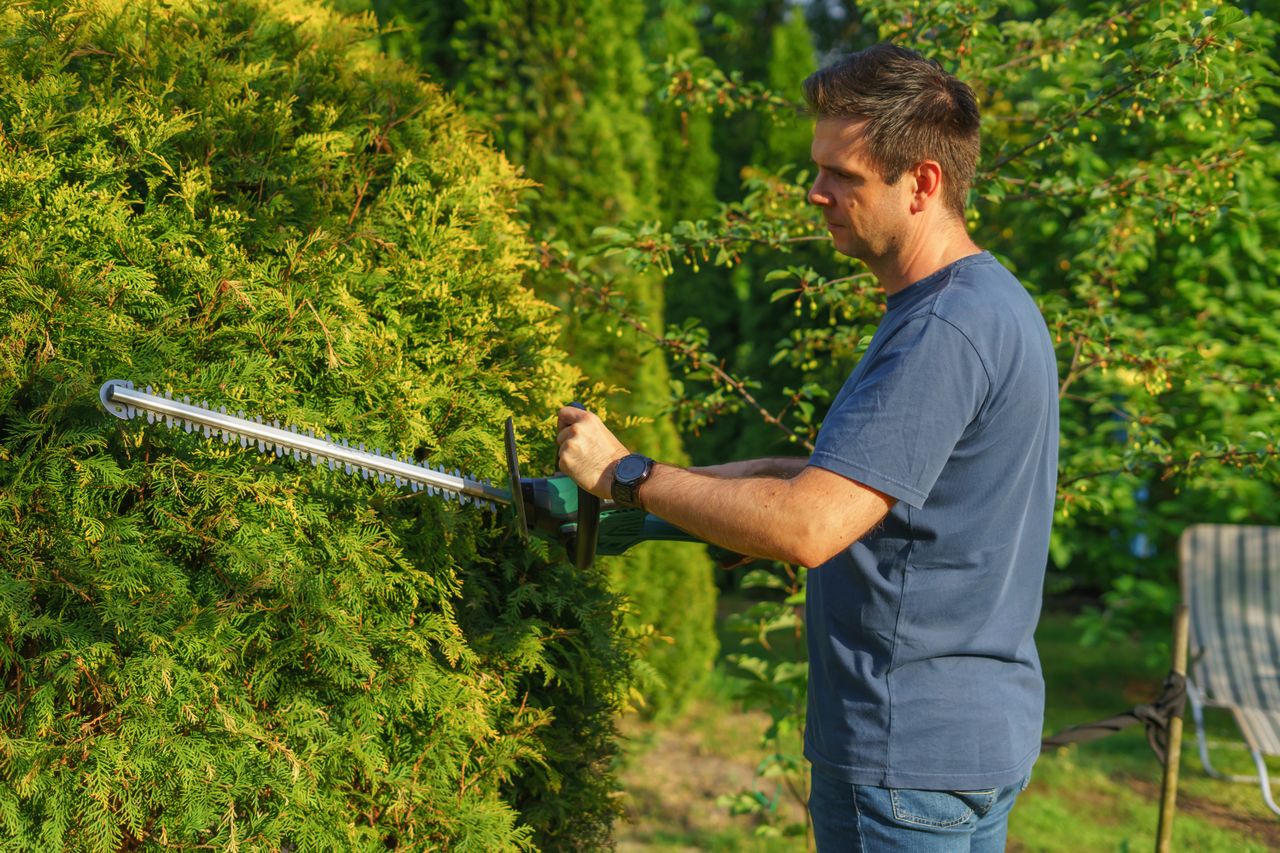
In many yards, routine trimming helps manage overgrowth during the growing season. Homeowners often use hedge trimmers, shears, or small pruners to cut back straggly ends and keep plants neat. This is common for hedges, shrubs, and ornamental trees that need a tidy outline.
You should choose tree trimming when branches are overextended, blocking walkways, brushing structures, or starting to crowd power lines without deeper structural problems. It is less about correcting internal defects and more about keeping the exterior clean and balanced. Trees grown for appearance often need regular trimming, while mature trees with health issues usually need pruning instead.
What Is Tree Pruning?
Tree pruning is focused on tree health, safety, and structural integrity. When you prune, you remove dead, damaged, diseased branches, or limbs that cross and rub against each other. This kind of targeted work supports stronger growth over time.
Unlike trimming, proper pruning requires strategic cuts. A branch should be removed near the branch collar so the tree can heal naturally. Good pruning can improve airflow and sunlight penetration through the canopy, which helps reduce stress and supports the health of your tree.
Yes, tree pruning usually helps tree health more than trimming because it corrects problems rather than just shaping the outside. It can also encourage better new growth when done correctly and at the right time. For large trees, or anything near power lines, a certified arborist should handle the job safely.
Key Differences Between Tree Trimming and Tree Pruning
The goals of tree trimming and tree pruning differ in a clear way. Tree trimming manages the outer parts of the tree for shape, neatness, and size. Tree pruning focuses on the removal of branches that affect the tree’s health, safety, and strength.
Another key difference is what gets cut and when. Trimming usually removes light overgrowth during the growing season. Pruning removes specific problem limbs, often in late fall, late winter, or early spring. If you understand that one is cosmetic and the other is corrective, it becomes easier to choose the right approach.
Goals and Purposes of Each Approach
Every tree care decision should start with the goal. Are you trying to improve appearance, or are you trying to correct a problem inside the canopy? Tree trimming and tree pruning serve different reasons, and the best choice often depends on tree species, age, and condition.
Tree trimming is usually the better fit when a tree looks overgrown or uneven. Tree pruning is the better choice when a tree has weak, damaged, or hazardous limbs that affect tree structure or health.
- Choose tree trimming to improve shape, size control, and curb appeal.
- Choose tree pruning to remove deadwood, diseased branches, and weak unions.
- Use trimming for routine upkeep on shrubs, hedges, and ornamental trees.
- Use pruning when tree health, airflow, or structural balance needs attention.
That is why pruning should come first if both are needed. Structural issues should be addressed before cosmetic shaping.
Tools, Techniques, and Timing
Yes, the techniques for pruning and tree trimming are different. Trimming usually relies on hand shears, pruners, or hedge trimmers to shape exterior foliage. Pruning uses more targeted cuts with pruners, loppers, and saws to remove larger branches or unhealthy growth.
Timing matters just as much as the tools. Tree trimming is usually done during the growing season, while pruning is commonly done in late winter, late fall, or early spring when many trees are dormant. Established trees may only need pruning every four to five years, but trimming can be done as needed.
Task | Main purpose | Common tools | Best timing |
Tree trimming | Shape and size control | Hand shears, hedge trimmers, pruners | Growing season |
Pruning | Health and structure | Pruners, loppers, saws | Late winter or early spring |
Routine shaping | Exterior upkeep | Hedge trimmers, shears | As needed |
Corrective cuts | Remove problem limbs | Saws, pruners | Dormant periods |
Beginner’s Guide: How to Get Started with Tree Trimming and Pruning
Getting started with tree trimming and tree pruning begins with a simple question: are you shaping the tree, or are you protecting its health? That answer guides every next step in tree care.
Small jobs on low shrubs or light overgrowth may be manageable for homeowners with the right tools. Still, anything involving large limbs, climbing, or branches near structures should be handled carefully. Good technique supports healthy growth, while bad cuts can harm the tree’s growth for years. Before you pick up any tools, it helps to know the basics of safety and process.
Essential Equipment and Safety Tips
You do not need a huge collection of tools to begin. For most small jobs, hand shears, pruners, loppers, and saws are enough. The key is using the right tool for the branch size and keeping every blade clean and sharp.
Safety should come before speed. Tree work can go wrong quickly, especially when climbing or cutting overhead. Improper tree trimming or pruning can damage your trees by causing stress, decay, and weak regrowth. It can also put you at risk of injury.
- Use clean, sharp pruners and saws for smooth cuts.
- Avoid climbing if the job can be done safely from the ground.
- Wear safety gear and work slowly around falling branches.
- Call a certified arborist for large trees or limbs near power lines.
If a branch is high, heavy, or close to utility lines, professional help is the safer move.
Step-by-Step Guide to Tree Trimming and Pruning
A good approach starts with knowing the difference between trimming and pruning. Trimming shapes the outer canopy. Proper pruning removes unhealthy or poorly placed limbs to protect tree structure. If you are unsure which one applies, pause before you cut.
The basic process is straightforward, but each cut should have a purpose. To prune well, you need to identify damaged or unsafe branches and cut near the branch collar. For trimming, you focus on light exterior shaping instead of deep structural cuts.
- Inspect the canopy and identify the goal before cutting.
- Prune dead, damaged, or crossing limbs first when needed.
- Trim only the outer overgrowth for shape and clearance.
- Stop if the job involves large branches or risky access.
You can handle light work yourself, but complex jobs are better left to a trained professional.
Step 1: Assess Your Trees’ Needs
Before making any cuts, assess the condition of the tree. Look at tree species, age, size, and overall tree health. Some trees are grown mainly for appearance, while others need more structural attention as they mature.
Start by checking for dead branches, broken limbs, barkless wood, dense canopy growth, and hazardous branches that rub, split, or lean toward structures. Spring-flowering shrubs, summer-flowering shrubs, fruit trees, and mature shade trees may all have different timing needs, so the type of tree matters.
Trees and shrubs used for neat landscaping often need routine trimming during active growth. Mature trees, fruit trees, and trees with defects usually need pruning less often but more carefully. If you see split trunks, branches near utility lines, or major defects, bring in a certified arborist before doing anything else.
Step 2: Choose the Right Technique and Make the Right Cuts
Once you know what the tree needs, choose the right technique. Use trimming for light exterior shaping and overgrowth control. Use pruning for deadwood, diseased limbs, crossing branches, and other issues that affect tree structure.
Proper pruning means each cut is strategic. The goal is not to shorten everything. It is to remove the right branch in the right place. Improper cuts can leave stubs, damage bark, and interfere with natural healing. That can lead to decay, weak regrowth, and long-term stress.
Never treat a tree like a hedge if it has structural problems inside the canopy. Also, avoid doing heavy pruning and trimming at the same time. If both are needed, handle pruning first, then wait until later in the growing season or the following year for cosmetic trimming.
TreesRX™ Tree Trimming and Tree Pruning Services
If you are dealing with overgrowth, deadwood, or branches in risky places, TreesRX™ can help with professional tree trimming and tree pruning services. That matters when the work goes beyond small DIY jobs. Larger branches, mature trees, and limbs near structures or power lines need careful planning, safe equipment, and the right cutting method.
Working with a certified arborist or ISA certified arborist gives you peace of mind that the service is based on tree health, not just quick cutting. TreesRX™ pruning services can help address diseased branches, weak growth, and structural concerns, while tree trimming supports appearance and clearance. If you are wondering whether to do it yourself or hire help, professional service is the safer choice when the job is complex or hazardous.
Why Choose TreesRX™ for Your Tree Care Needs
Choosing the right team for tree care means choosing people who understand the difference between cosmetic cuts and corrective work. TreesRX™ focuses on tree health, safe practices, and the right approach for each tree. That makes a big difference when you want healthy growth without creating avoidable stress or damage.
A professional arborist can spot hidden problems that homeowners often miss, such as weak branch unions, deadwood, or canopy crowding. TreesRX™ pruning services are especially valuable when a tree needs more than basic shaping. If your project involves large trees, risky access, or concerns about long-term health, hiring a professional is usually the better choice than trying to manage it alone.
Conclusion
In conclusion, understanding the differences between tree trimming and tree pruning is essential for maintaining the health and aesthetics of your trees. Both practices serve unique purposes and require different techniques, but when done correctly, they can enhance the beauty of your landscape and promote healthy growth. If you’re unsure where to start or if you prefer professional assistance, TreesRX™ offers expert tree trimming and pruning services tailored to meet your specific needs. Trust our experienced team to provide the care your trees deserve, ensuring they flourish for years to come. Reach out today to learn more about how we can assist you!